
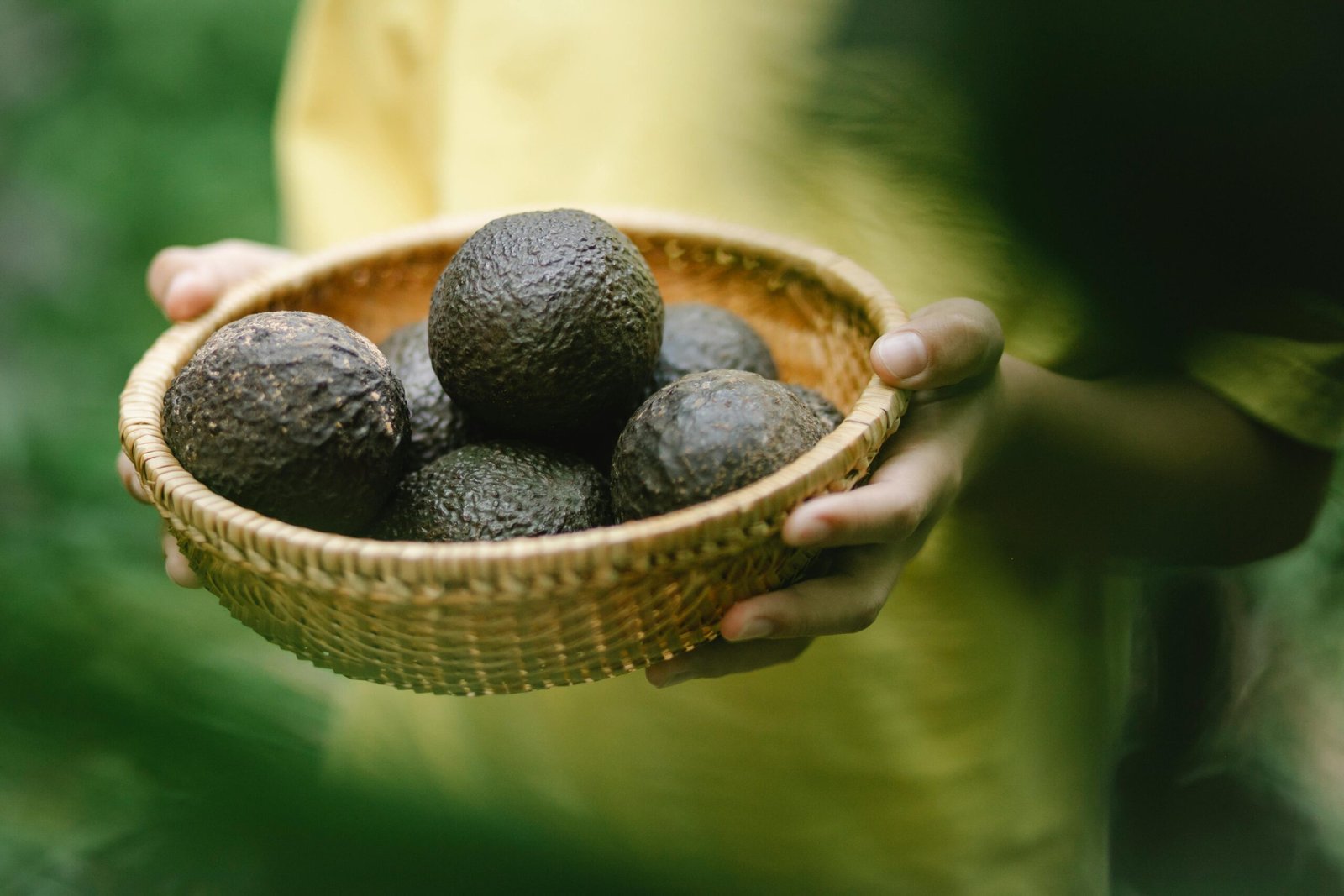
In 2026, Smallholder Farmers are recognized as the indispensable “keystone species” of the global food system. While large-scale industrial farms often dominate the headlines, it is the millions of small-scale producers—typically defined as those tilling less than 5 hectares—who provide the majority of the world’s nutrition and maintain the planet’s agricultural biodiversity.
As of early 2026, smallholder farms produce approximately one-third of the world’s food on only about one-quarter of the world’s agricultural land. In many developing regions, their impact is even more profound, supplying up to 80% of the food consumed in sub-Saharan Africa and Asia.
🥗 1. The Global “Nutrition Engine”
Smallholder farmers are not just producing calories; they are producing diversity. Because they often grow a wide variety of crops for both household consumption and local markets, they are the primary source of fruits, vegetables, pulses, and roots.
- Staple Crop Dominance: Small farms produce over 50% of the world’s global supply for nine key staple crops, including rice, peanut, cassava, millet, and wheat.
- Higher Yield per Hectare: Paradoxically, smaller farms often exhibit higher productivity per unit of land than large industrial farms. This is due to high labor intensity (often family-led) and a focus on maximizing food output rather than animal feed or biofuels.
- National Food Security: In countries like Nepal and Tanzania, smallholders meet approximately 70% of the national food demand, acting as a buffer against global supply chain shocks.
🌿 2. Guardians of Agrobiodiversity
In 2026, smallholders are the primary defenders against the “genetic erosion” of our food supply.
- In-Situ Conservation: Small farmers act as “living museums,” cultivating thousands of indigenous and traditional crop varieties that industrial systems have abandoned. This genetic pool is essential for breeding future climate-resilient crops.
- Ecological Resilience: By practicing polyculture (growing multiple crops together) and agroforestry, smallholders create diverse habitats that support pollinators, beneficial insects, and healthy soil microbes.
- Land Stewardship: Small-scale systems are often more integrated into their local ecosystems, using traditional water management and soil restoration techniques (like terracing or “Zai” pits) that have been refined over centuries.
📊 Smallholder Impact Matrix (2026 Benchmarks)
| Metric | Smallholder Contribution (<5ha) | Industrial Contribution (>50ha) |
| Share of World Food | ~35% to 46% | Majority of feed and fuel crops. |
| Caloric Efficiency | 70% of production is for human food. | 55% of production is for food. |
| Global Workforce | Employs 70% of Africa’s rural labor. | Highly mechanized; low labor intensity. |
| Crop Diversity | Very High (Multiple varieties). | Low (Monocultures). |
⚠️ 3. The 2026 Paradox: Productivity vs. Poverty
Despite being the world’s primary food providers, smallholder farmers remain one of the most vulnerable groups in 2026.
- The “Hungry Farmer” Irony: A significant percentage of the world’s malnourished population are actually the small-scale farmers themselves. They often sell their best produce to pay for school fees or debt, leaving little for their own families.
- Climate Vulnerability: Because 95% of smallholder farming in regions like Africa is rain-fed, they are the first to suffer from the erratic monsoons and heatwaves of the mid-2020s.
- Access Barriers: Smallholders face a “Triple Gap”:
- Digital Gap: Limited access to AI-driven weather and soil tools.
- Financial Gap: High interest rates and lack of formal credit.
- Market Gap: Difficulty meeting the strict quality standards of global value chains.
🛡️ 4. The 2026 Resilience Strategy: “Cooperative Modernization”
To support smallholders, the global strategy in 2026 has shifted toward empowerment through scale.
- Farmer Producer Organizations (FPOs): By grouping together, smallholders can access large-scale “Agri-Tech” (like drone swarms or blockchain traceability) that would be unaffordable for an individual.
- Micro-mechanization: The rise of small-scale, low-cost machinery—like walking tractors and solar-powered irrigation—is allowing smallholders to boost efficiency without the massive debt of industrial equipment.
- Digitized Supply Chains: Platforms are now connecting millions of smallholders directly to consumers (B2C), eliminating predatory middlemen and ensuring farmers keep a larger share of the profits.
2026 Global Insight: We cannot achieve “Zero Hunger” (SDG 2) without smallholder farmers. The priority is no longer just to “help” them, but to recognize them as professional entrepreneurs who hold the keys to a stable and biodiverse global future.