
In 2026, food waste is recognized not just as a logistical failure, but as one of the most significant environmental and economic challenges of the decade. Currently, approximately one-third of all food produced for human consumption is lost or wasted globally—a staggering amount that could feed the world’s hungry several times over.
📉 1. Root Causes: The “Farm to Fork” Leakage
Food waste occurs at every stage of the supply chain, though the primary drivers vary by region.
- Production & Post-Harvest (Developing Economies): Lack of cold-chain infrastructure, poor storage facilities, and pest infestations lead to significant losses before the food even reaches the market.
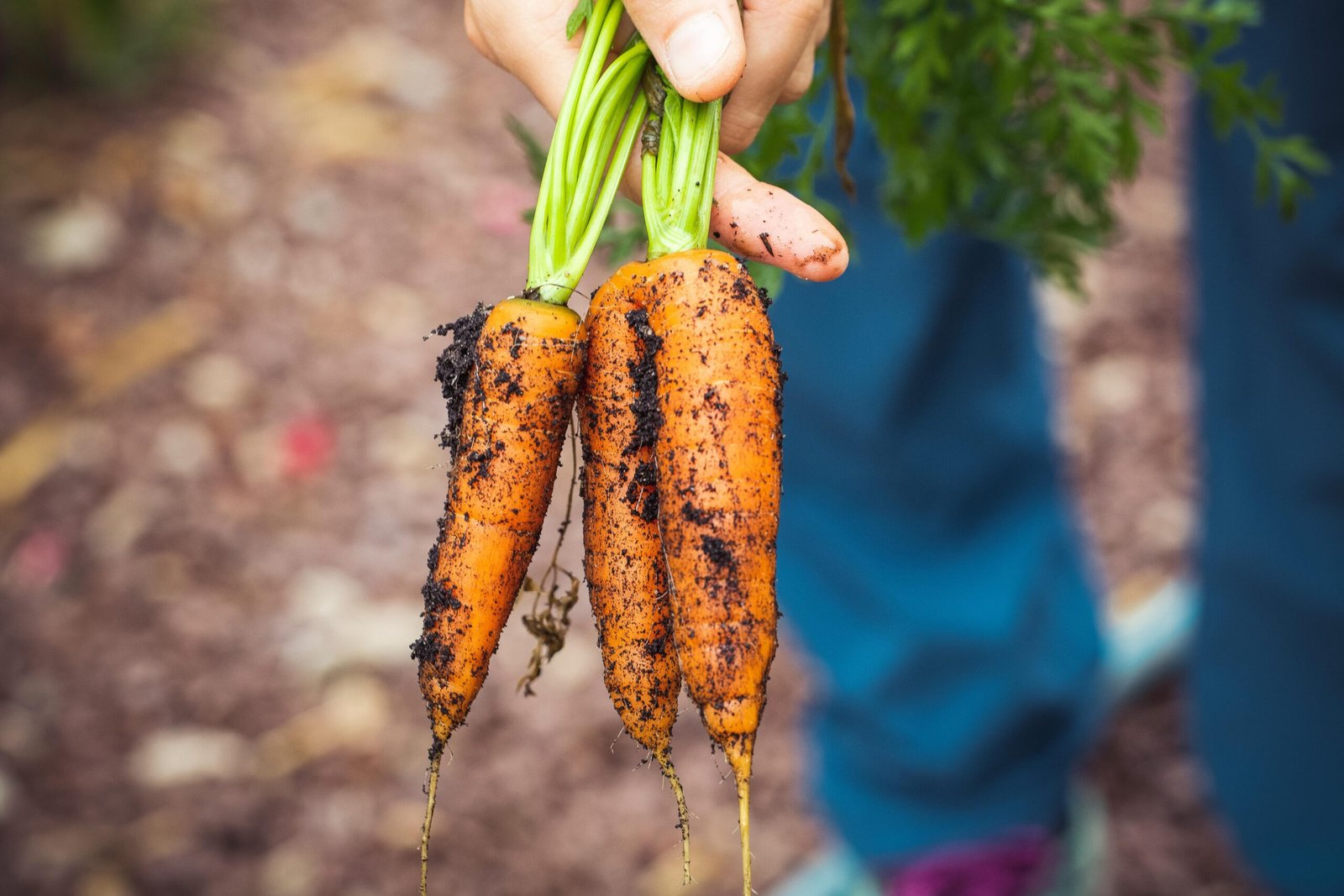
- Retail & Cosmetic Standards: Retailers often reject “ugly” produce that is perfectly edible but fails to meet strict aesthetic standards for size, shape, or color.
- Consumer Behavior (Developed Economies): “Buy-one-get-one” deals, confusing “Best Before” vs. “Use By” labels, and poor meal planning lead to massive amounts of food being thrown away at the household level.
- Over-Ordering in Food Service: Restaurants and catering services often prioritize “full-looking” displays over actual demand, leading to high daily waste.
🌍 2. The Triple Impact of Waste
The consequences of food waste are multi-dimensional, affecting our climate, our wallets, and our ethics.
- Environmental Impact: If food waste were a country, it would be the third-largest emitter of greenhouse gases in the world. When food rots in landfills, it produces methane, a gas significantly more potent than $CO_2$. Additionally, wasting food means wasting the water, land, and energy used to produce it.
- Economic Impact: The global economic cost of food waste is estimated at roughly $1 trillion annually. For a typical family in 2026, reducing food waste is equivalent to a 10–15% increase in their household budget.
- Social Impact: While 800 million people suffer from chronic hunger, we continue to discard massive amounts of nutrition. Redirecting just 25% of global food waste could end world hunger.
🛠️ 3. 2026 Solutions: The Shift Toward Circularity
Solving food waste in 2026 involves a combination of high-tech innovation and ancient common sense.
A. Technology & AI
- Smart Labels: Time-temperature indicators and “Active Packaging” now change color to show the actual freshness of food, replacing arbitrary expiration dates.
- Dynamic Pricing AI: Grocery stores use AI to automatically slash prices on items nearing their expiry date, ensuring they are sold rather than tossed.
- Food Sharing Apps: Platforms like Too Good To Go and Olio have reached record adoption in 2026, connecting consumers with surplus food from local businesses.
B. Policy & Infrastructure
- The “Waste Ban”: Several countries have followed France’s lead, making it illegal for supermarkets to throw away unsold food, mandating instead that it be donated to charities or animal feed.
- Decentralized Composting: Urban 2026 “Micro-composters” use high-speed aerobic digestion to turn household food scraps into nutrient-rich soil in under 24 hours.
C. Upcycling (The New Trend)
- Upcycled Certified™: This is a major 2026 labeling trend. Products like flour made from “spent” brewery grains or snacks made from “ugly” fruit pulp are now mainstream, turning waste into high-value ingredients.
📊 The Food Waste Hierarchy
Industry experts use this hierarchy to prioritize how we handle surplus food:
| Priority | Strategy | Goal |
| 1. Prevention | Reduce at the source. | Only produce what is needed. |
| 2. Redistribution | Feed hungry people. | Donate to food banks/charities. |
| 3. Diversion | Feed animals. | Convert scraps into livestock feed. |
| 4. Recovery | Industrial uses. | Anaerobic digestion for bio-fuel. |
| 5. Recycling | Composting. | Return nutrients to the soil. |
2026 Insight: The most powerful tool against food waste is mindset. In 2026, wasting food has become socially “taboo,” much like smoking in public or using single-use plastics.