
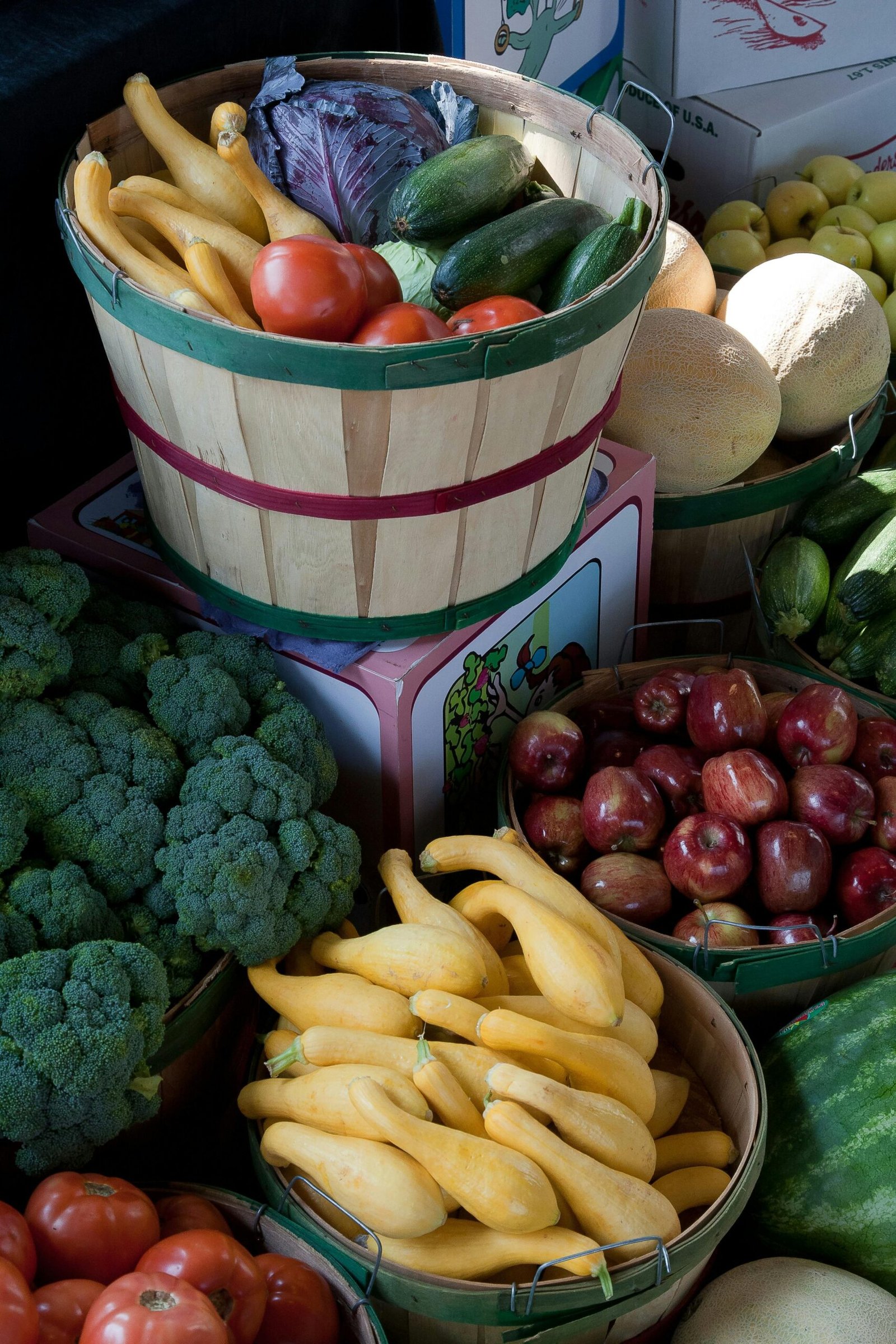
In 2026, Organic Farming has transitioned from a niche market into a cornerstone of the global “Healthy Food Systems” strategy. While traditionally defined by what it avoids (synthetic chemicals, GMOs), modern organic farming is increasingly defined by what it actively creates: nutrient-density, soil carbon sequestration, and ecological resilience.
The following synthesis explores the specific roles organic farming plays in our current food system as of March 2026.
🥗 1. Enhancing Nutritional Quality & Safety
The primary driver for organic adoption in 2026 remains the direct link between soil health and human nutrition.
- Micronutrient Density: Current research, including 2026 meta-analyses, indicates that organically grown crops can contain 20–40% higher levels of antioxidants (phenolics) and significantly higher concentrations of vitamin C, iron, and magnesium compared to conventional counterparts.
- Chemical-Free Guarantee: Organic systems serve as a “Safety Shield.” By 2026, the global emphasis on Traceability—often powered by blockchain—ensures that organic produce is 100% free from the 400+ synthetic pesticides allowed in conventional farming.
- Reduced Cadmium: Organic grains and vegetables consistently show significantly lower levels of toxic heavy metals like cadmium, which often accumulate through synthetic phosphate fertilizers.
🌍 2. Environmental Stewardship: Beyond “Sustainability”
In 2026, the industry has shifted toward Regenerative Organic standards, focusing on the restoration of entire ecosystems.
- Carbon Sequestration: Healthy, organic soil acts as a massive “Carbon Sink.” In 2026, many organic farmers are now integrated into Carbon Credit Markets, being paid to pull $CO_2$ from the atmosphere into their fields.
- Biodiversity Restoration: Organic farms host approximately 30% more species than conventional farms. By avoiding broad-spectrum pesticides, these farms act as sanctuaries for pollinators (bees, butterflies) and beneficial soil microbes.
- Water Protection: Without the runoff of synthetic nitrogen and phosphorus, organic systems prevent the “Dead Zones” (hypoxia) in rivers and oceans that were a major crisis in the early 2020s.
📊 3. The 2026 Organic Market Landscape
The global organic farming market has reached an estimated $257 billion in 2026, growing at a steady 11.2% CAGR.
| Metric | 2026 Global Benchmark | Key Driver |
| Market Size | $257.85 Billion | Rising health-consciousness (Gen Z & Millennials). |
| Total Land Area | ~100 Million Hectares | Shift toward “Organic First” procurement in schools. |
| Top Consumer | Switzerland | Highest per capita consumption (€481/year). |
| Top Exporters | Mexico, Ecuador, Canada | Strong market pull from the US and EU. |
🤖 4. The 2026 Shift: “Bio-Organic” Technology
One of the biggest misconceptions in 2026 is that organic means “low tech.” In reality, modern organic farming is “High-Tech, Low-Input.”
- AI & Satellite Monitoring: Farmers use AI to predict pest outbreaks and satellite imagery to monitor soil moisture at the block level, allowing for surgical precision in resource use.