
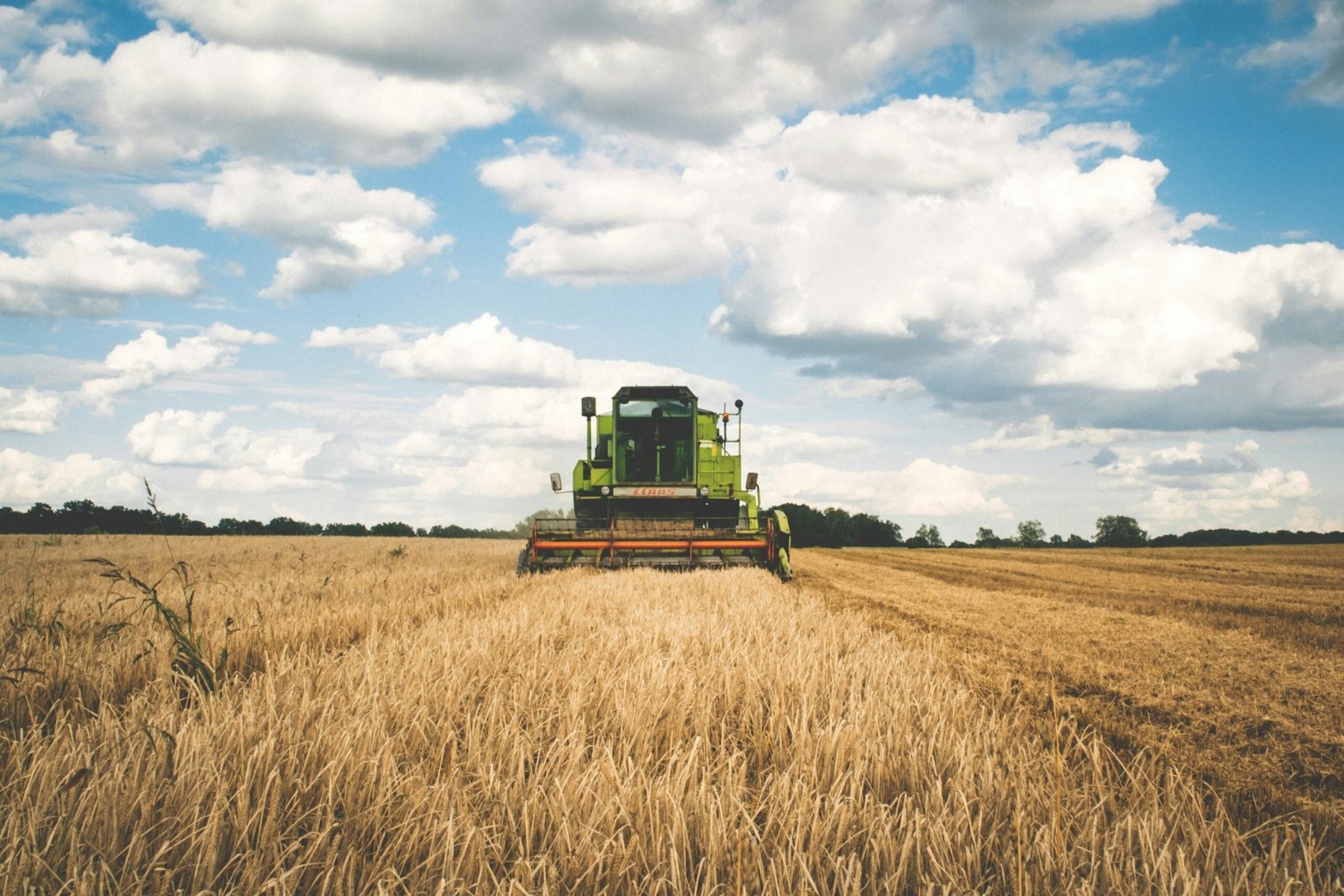
In 2026, Urban Agriculture has evolved from a hobbyist activity into a high-tech pillar of resilient “Smart Cities.” As global supply chains face increasing climate and geopolitical volatility, cities are utilizing rooftops, abandoned warehouses, and even vertical “skyscraper farms” to produce food right where it is consumed.
Currently, urban farming contributes approximately 15–20% of the global food supply, primarily through high-value perishables like leafy greens, herbs, and microgreens.
🏛️ 1. Modern Models of Urban Farming
The 2026 urban landscape features a diverse mix of low-tech community efforts and high-tech industrial operations.
- Vertical Farming: The most productive model, using stacked layers in controlled indoor environments. In 2026, these farms are projected to yield up to 10 times more crops per square foot than traditional farms by leveraging AI-driven climate controls.
- Rooftop Agriculture: Utilizing the “underutilized acres” of city skylines. These range from soil-based community plots to high-tech hydroponic greenhouses that provide natural insulation for the buildings below.
- Shipping Container Farms: Modular, “plug-and-play” units equipped with fully automated systems. They are widely used in 2026 for decentralized, hyper-local production in “food deserts” or densely populated neighborhoods.
- Aquaponics: A circular system where fish waste provides nutrients for plants, and the plants filter the water for the fish, creating a self-sustaining protein and vegetable ecosystem.
🤖 2. The 2026 Tech Stack: “Bio-Digital” Cities
Technology is the primary enabler for growing food in nutrient-poor or space-constrained urban areas.
- AI-Powered Monitoring: IoT sensors track CO2, humidity, and nutrient levels in real-time. In 2026, 60% of commercial urban farms use AI to predict and prevent outbreaks before they are visible to the eye.
- Blockchain Traceability: Tech-savvy urban consumers in 2026 use blockchain to verify the “Seed to Plate” journey. Scanning a QR code reveals the exact carbon footprint and harvest time of city-grown produce.
- Hydrogels and Soilless Substrates: To reduce the structural weight on rooftops, 2026 farms use lightweight hydrogels or “rockwool” instead of heavy soil, allowing older buildings to host productive gardens safely.
🌍 3. Impacts: Why Cities are Farming
Urban agriculture provides more than just food; it serves as a “Green Lung” for the concrete jungle.
- Reducing “Food Miles”: By growing food on-site, cities eliminate the carbon emissions of long-distance transport. Produce is harvested at peak ripeness, ensuring superior flavor and 20–40% higher nutrient density.
- Mitigating the Heat Island Effect: Transpiration from urban plants and the shade from rooftop gardens can lower city temperatures, reducing energy consumption for air conditioning.
- Social Equity: Urban farms in disadvantaged areas increase access to fresh, affordable produce, helping to bridge the “Nutrition Gap” in low-income neighborhoods.
📊 Urban vs. Traditional Agriculture (2026 Benchmarks)
| Feature | Traditional Rural Farming | Modern Urban Farming (2026) |
| Water Efficiency | Standard (High waste). | 70–95% reduction (Recirculating). |
| Yield (kg/m²) | 3 – 12 | 30 – 120 (Vertical systems). |
| Seasonality | Dependent on weather. | Year-round (Controlled environments). |
| Supply Chain | Long (Multiple miles/days). | Hyper-local (Minutes/feet). |
| Main Crops | Grains, soy, bulky staples. | Greens, herbs, berries, mushrooms. |
⚠️ 4. Key Challenges in 2026
Despite its growth, urban agriculture faces several “scaling hurdles”:
- Energy Intensity: Vertical farms require significant energy for LED lighting and climate control. The 2026 focus is on integrating renewable energy (solar/wind) directly into farm structures.
- Zoning and Regulation: Many cities still have outdated zoning laws that treat urban farms as industrial zones rather than residential green spaces.
- Staple Crop Limitation: Urban farms currently struggle to grow calorie-dense staples like wheat, rice, or corn efficiently, meaning they supplement—but cannot yet replace—rural agriculture.